

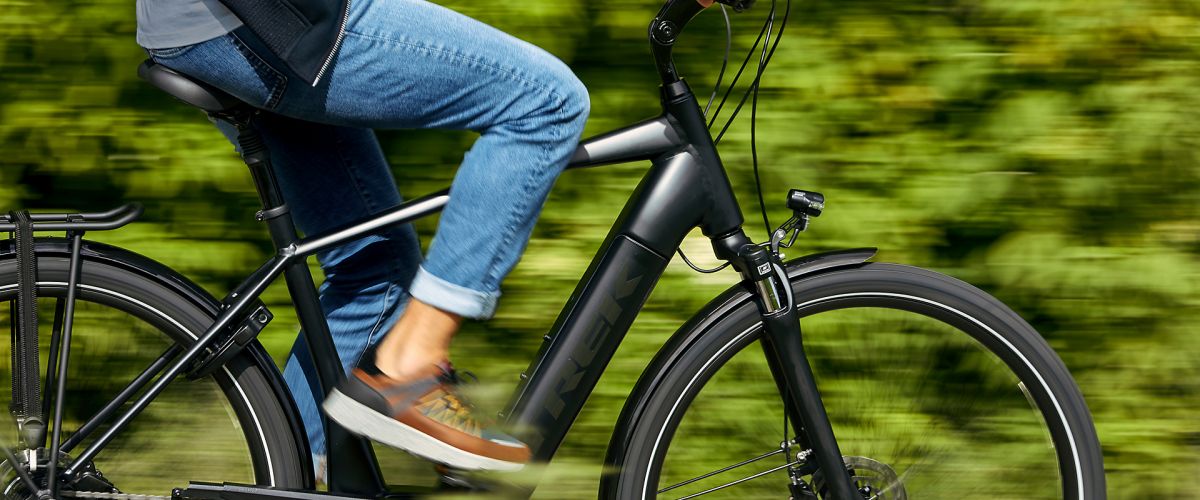
A new bipartisan bill introduced in Congress could bring long-awaited clarity to the rapidly growing world of e-bikes and electric mobility devices.
The legislation, known as the Safe SPEEDS Act (HR 7839), aims to establish federal standards for low-speed electric bikes. As e-bikes become more common on streets, bike lanes, and shared-use trails, the lack of consistent definitions and safety standards has created confusion for riders, retailers, and communities alike. This bill is an effort to change that.
What the Bill Would Do
At its core, the Safe SPEEDS Act directs the Consumer Product Safety Commission (CPSC) to take a more active role in regulating e-mobility devices. Specifically, the bill would:
- Collect and analyze safety data related to incidents involving e-bikes and other electric mobility devices
- Create clear classification and labeling requirements, helping define what qualifies as an e-bike
- Prevent mislabeling, ensuring that devices that don’t meet the federal definition cannot be marketed or sold as e-bikes
- Consider the existing three-class e-bike system, which is already widely used across states and local jurisdictions
If implemented effectively, these steps could bring more consistency to how e-bikes are understood, regulated, and used across the country.
Why This Matters
For communities, especially those investing in multi-use trails and bike infrastructure, clarity around e-bike classifications is critical. Clear standards can help:
- Improve safety for all trail users
- Reduce confusion around what devices are allowed where
- Support better enforcement and education efforts
- Ensure that higher-speed or heavier devices aren’t misrepresented as traditional e-bikes
Challenges Facing Implementation
While the bill has broad support, there are questions about how effectively it could be implemented given recent changes at the CPSC.
Until recently, the agency operated with five commissioners and functioned as an independent regulatory body. That structure has shifted significantly:
- The commission is currently down to one active commissioner
- Three commissioners were removed following a vote related to e-mobility battery safety standards
- Another commissioner resigned
- There are ongoing discussions about moving the CPSC under the Department of Health and Human Services, which would change its independent status
These changes could impact the agency’s capacity to carry out new regulatory responsibilities, including those outlined in the Safe SPEEDS Act.
Broad Support Across Sectors
Despite these uncertainties, the bill has garnered support from a wide range of organizations representing cycling, safety, and public health interests. Supporters include:
- The League of American Bicyclists
- PeopleForBikes
- The National Bicycle Dealers Association
- Safe Routes Partnership
- Consumer Reports
- Advocates for Highway and Auto Safety
- The International Association of Chiefs of Police
- Rails-to-Trails Conservancy
This broad coalition reflects a shared interest in improving safety and clarity as e-mobility continues to evolve.
Looking Ahead
As e-bikes become a more common part of how people move through their communities, the need for clear, consistent standards will only grow. The Safe SPEEDS Act represents a significant step toward addressing that need, though its ultimate impact will depend on how it is implemented and enforced.
For trail systems and active transportation advocates, this is a conversation worth watching closely.